
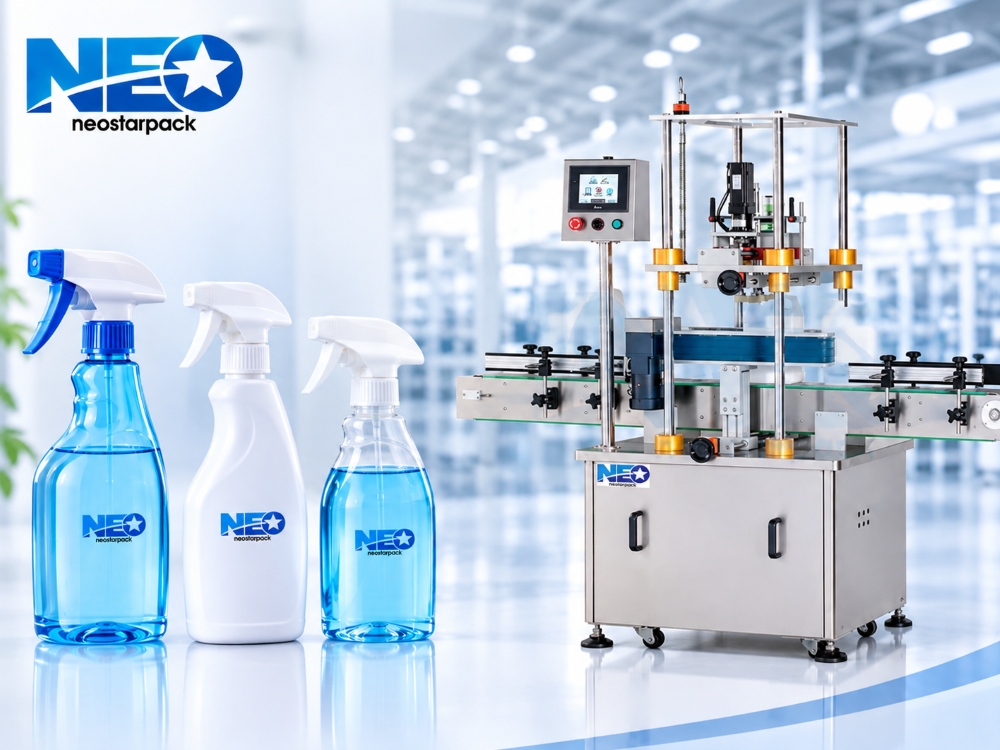
82. Trigger Sprayer Capping Machine: How to Choose One, Can It Be Used with a Standard Capping Machine, and What Are the Differences?
A trigger sprayer capping machine is built for trigger-operated spray heads, which are taller than standard caps and have different gripping, dip tube, and sometimes orientation requirements. Whether a standard capping machine can be used depends on the actual bottle and trigger sprayer assembly. Neostarpack offers free sample testing to help determine whether a standard or customized machine is needed.
When selecting a trigger sprayer capping machine, buyers need to consider more than bottle-neck specifications and production speed. Other important factors include the shape of the trigger sprayer, the gripping method, dip tube insertion, and the required orientation after tightening. Trigger sprayer closures, also known as trigger spray heads, have a different structure from standard bottle caps. Whether the same capping machine can handle both types depends on the actual bottle and trigger sprayer assembly.
Unlike standard bottle caps, trigger sprayers have a taller profile and different gripping requirements. Some applications also require consistent trigger orientation after tightening, controlled tightening torque, and stable bottle handling. Selecting a capping machine based only on bottle-neck dimensions or production capacity is therefore not sufficient. The trigger sprayer structure, bottle material, bottle height, tightening method, and production requirements must also be evaluated. Trigger sprayers are commonly used for packaging cleaning products, car wash sprays, chemical liquids, household products, and other spray applications. This article focuses on trigger-operated sprayers and does not cover fine mist sprayers used for products such as perfumes and facial toners.
Neostarpack offers trigger sprayer capping machines with optional functions and customized configurations. Depending on the actual bottle and trigger sprayer assembly, available options may include servo motor control, tightening torque and final angle detection, vision inspection for finished-product orientation, and automatic rejection. The appropriate configuration and specifications are determined through sample evaluation and machine planning.
1. Differences Between Trigger Sprayer Capping Machines and Standard Capping Machines
Q1. What is the difference between a trigger sprayer capping machine and a standard capping machine? What challenges need to be addressed??
A trigger sprayer capping machine is designed around the shape, gripping positions, and tightening requirements of trigger-operated spray heads. Standard capping machines are generally used for conventional bottle caps, screw caps, and other common closure types.
When tightening a standard bottle cap, the capping chuck grips the cylindrical cap body and transfers torque to the threads. When tightening a trigger sprayer, torque must be transmitted through the shroud (protective cover) or collar. The process must also account for dip tube insertion, trigger orientation, and the higher center of gravity of the bottle assembly. The main differences include:
1. Gripping position:
Standard bottle caps are gripped around the cap perimeter, which provides a uniform gripping surface that is easy to hold. Trigger sprayers require the chuck to grip the shroud or collar without contacting or activating the trigger. Because trigger sprayers have a more complex shape, the appropriate gripping position and tightening method must be evaluated according to the sprayer design.
2. Shape and stability:
Standard bottle caps are short and symmetrical. Trigger sprayers have a protruding trigger and nozzle, making the overall assembly taller and top-heavy. Bottles can tip over easily, so bottle stability must be considered.
3. Orientation:
Standard bottle caps do not require a specific orientation after tightening. Some trigger sprayer products, however, require the trigger to face a consistent direction. This requires additional recognition and positioning mechanisms.
4. Internal components:
Standard bottle caps have no internal components. Trigger sprayers include a dip tube that extends into the bottle and must be inserted properly during the capping process.
5. Torque range:
Standard bottle caps allow a wider tightening torque range. If a trigger sprayer is too loose, it will leak. If it is too tight, it may deform the shroud.
6. Feeding:
Standard caps can be sorted in bulk or supplied through a cap feeder. Trigger sprayers tend to tangle, stack, or tip over during feeding, and usually require an orienting feeding system.
The main challenges a trigger sprayer capping machine needs to address include:
• Ensuring the dip tube enters the bottle opening smoothly without bending or contacting the bottle wall.
• Preventing damage to the trigger and avoiding accidental trigger activation during gripping.
• Maintaining the required trigger orientation after tightening.
• Controlling tightening torque: too loose causes leakage, while too tight can damage components.。
• Maintaining bottle stability when tall bottles are conveyed after filling.
• Ensuring proper feeding and placement of trigger sprayers.
• Keeping the trigger in its locked position, without accidental unlocking by the machine.
• Accommodating different bottle-neck and trigger sprayer specifications during changeover, and detecting missing or crooked sprayers and incorrectly oriented triggers.
Therefore, machine compatibility cannot be determined by bottle-neck diameter or machine appearance alone. Whether a dedicated trigger sprayer capping machine is required must be evaluated using the actual bottle and trigger sprayer assembly.。
Q2. Can trigger sprayer closures be tightened using a standard capping machine?
Some trigger sprayer closures can be tightened using a standard capping machine. However, whether a trigger sprayer is suitable, or whether the machine can be shared, must be confirmed based on the trigger sprayer shape, bottle-neck thread, gripping position, bottle height and stability, and tightening requirements.
If the existing capping head, gripping mechanism, or positioning method is not suitable for the trigger sprayer assembly, a specialized capping head mechanism or a separate customized capping machine may be required.
Neostarpack provides free sample testing based on the bottles and complete trigger sprayer assemblies supplied by the customer. We will advise whether a standard capping machine can be used or whether a customized capping machine is needed.
Q3. What should be considered before purchasing a trigger sprayer capping machine?
Before selecting a machine, prepare samples of the trigger sprayer and bottle. Also confirm whether a specific trigger orientation is required, the target production capacity, and the product specifications that need to be accommodated during changeovers.
Neostarpack can help evaluate the appropriate machine configuration. The following conditions should be confirmed:
• Bottle material, shape, height, dimensions, and neck specifications.
• Trigger sprayer type, dimensions, and structure, including the dip tube.
• Thread specifications and tightening method between the trigger sprayer and bottle neck.
• Whether the trigger must face a specific direction after tightening, and the acceptable angular range.
• Whether servo-driven tightening control, torque monitoring, angle monitoring, or automatic rejection is required.
• Whether vision-assisted recognition of trigger orientation and a positioning function are needed.
• Production speed and daily output requirements. (Production capacity should be estimated separately for applications with and without orientation control.)
• Whether changeovers between different bottle types or trigger sprayer specifications are required.
• How the capping machine will connect with the filling machine.
All of these factors affect the machine configuration, the gripping method, and whether a customized machine design is necessary.
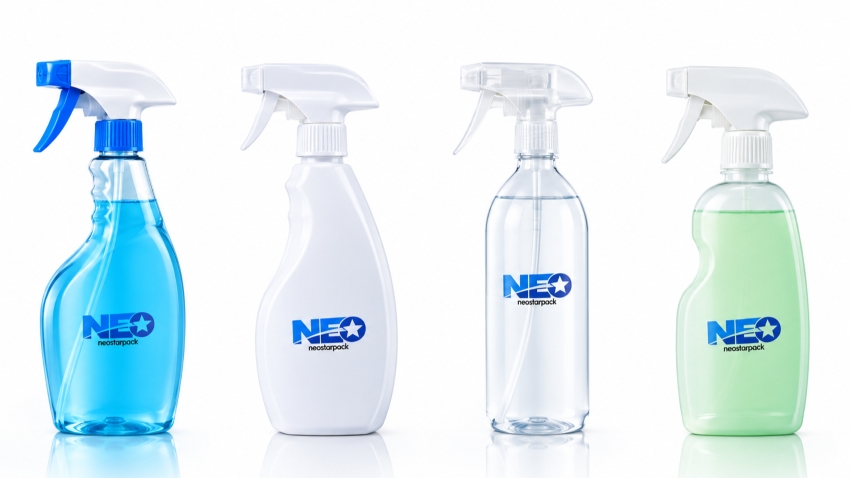
- Related Products
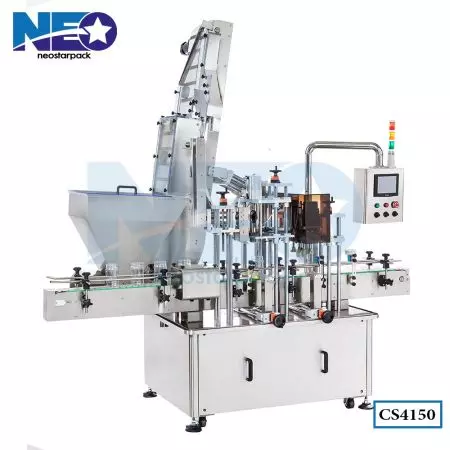
Automatic Bottle Capping Machine
CS4150
Automatic bottle capping machine CS4150 integrates cap feeding, cap placing and capping functions...
Details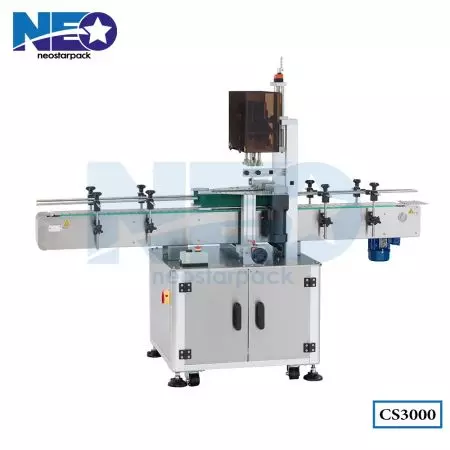
Automatic Indexing Spindle Capping Machine
CS3000
Automatic indexing spindle capping machine uses the universal gripper to cap with proper torque,...
Details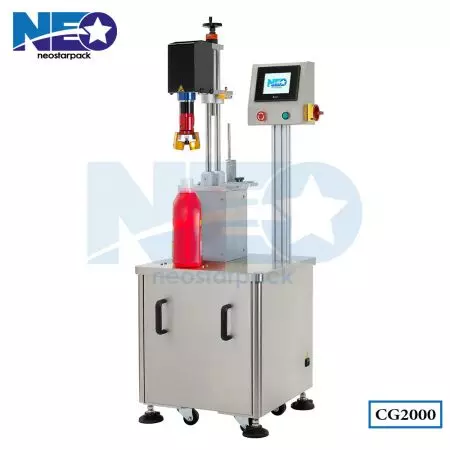
Cap Tightener Machine (Servo Retorquer Capping Machine)
CG2170
The high torque servo retorque capping machine provides stable capping torque. The electronic...
Details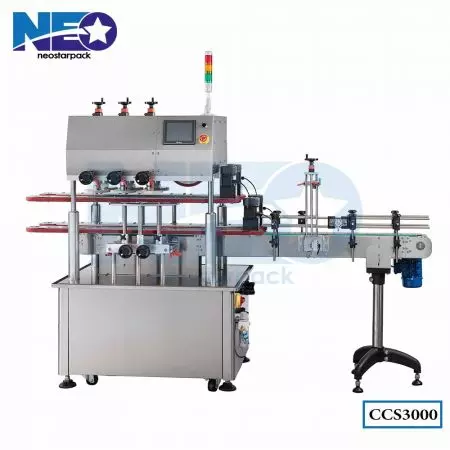
High-speed Spindle capping machine
CCS3000
The High-speed Spindle capping machine CCS3000 is a high speed capping machine, and can be used...
Details